Our Natural World
Newt Conservation Partnership
We want to ensure that our natural world is restored and protected and that people benefit from that recovery.
Working with others, we will contribute to three key impact goals by 2030:
- Preserved and improved species health and habitats
- Sustainable and ethical food
- Clean and healthy freshwater
In a series of blogs, we share more about our current work to improve Our Natural World.
Our priorities
There are five priorities through which we believe we can best contribute to these goals over the next seven years.
If you would like to apply for funding under any of these priorities, please read our Guidance for Support.
-

Peat
Peat is hugely important to our natural world. As well as a great habitat for wildlife, it's valuable for combating climate change and its benefits include flood prevention and purifying water.
Read more -

Space for nature
Protecting and creating more space for nature enables the restoration of damaged ecosystems and degraded landscapes. It's also important that the benefits of being close to nature is accessible to all.
Read more -

Nature friendly farming
There is huge value to nature-friendly farming with benefits not just for the recovery of wildlife but also for our health.
Read more -

Fishing in tandem with nature
A more sustainable fishing and seafood industry is important for the recovery of wildlife, their habitats and the small coastal communities who depend on it for their livelihoods.
Read more -

Freshwater
Healthy freshwater environments is critical for both people and wildlife. As a limited resource, it is vital to protect and restore freshwater environments from over-abstraction and pollution.
Read more
Our approach
-

Advisory Panel for Our Natural World
We recognise the expertise of others and are delighted to be able to call on the support of a brilliant panel of experts to help us deliver our strategy for Our Natural World.
Learn more -

Our roadmap for improving our natural world – what more can we do?
To improve Our Natural World, we have developed a roadmap we have been working to. In a series of blogs, we share how we are getting on as well as our plans for the coming year.
Learn more
You might be interested in
-
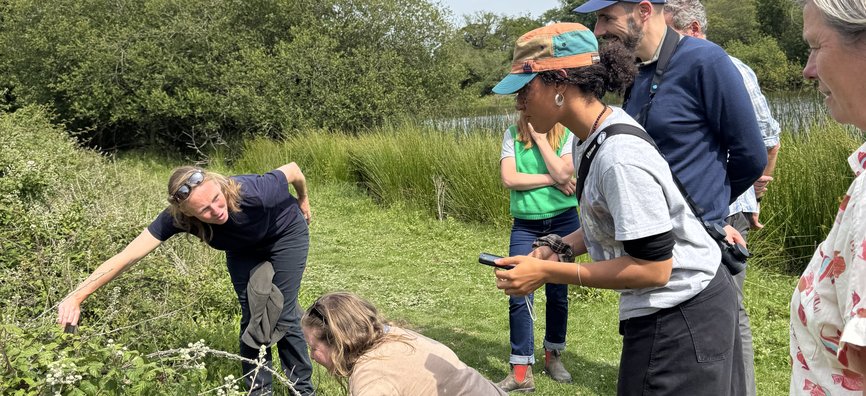 16 October 2026
Space for nature: what we’re learning and what next for Esmée
Esmée’s Director of Our Natural World, Liam McAleese, reflects on the findings of a review into our work towards space for nature and the recommendations for Esmée’s work going forwards.
Read more -
Nature recovery needs more than “fairy dust” to create lasting change, report finds
Across the UK, communities, farmers and charities are showing nature recovery is possible, and it has benefits for food security, local economies and climate resilience. However, systemic barriers are holding back progress. Esmée's new Space for Nature report by 3KQ calls for greater and sustained investment to create lasting change.
Read more -
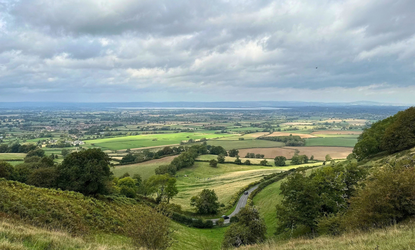
Is resilience the new greenwash?
Esmée’s Director of Our Natural World, Liam McAleese, reflects on growing concerns about climate-related risks in food and farming and what genuine resilience means. He also shares how we’re thinking about this in our work on nature-friendly farming, as well our role as an investor.
Read more -
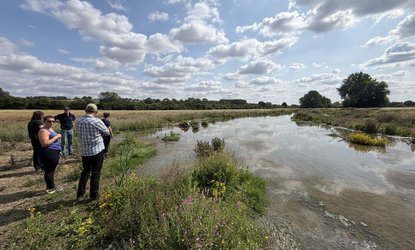
Land truths, when the fires are burning
As devastating fires have spread across parts of the UK this summer, it’s clear we are already feeling the impacts of climate change. In the media, there is a debate about rewilding. Some have blamed it for the severity of the wildfires. Others have said rewilding is a solution. Who is right?
Read more