We’re pleased to share a report by DHA Communications reviewing Esmée’s support for community-led art and creativity. It looks at the context for this work and what progress has been made. Alison Holdom, Esmée's Funding Lead for Creative, Confident Communities, also shares reflections on the recommendations.
What this tells us — and what we’re doing next
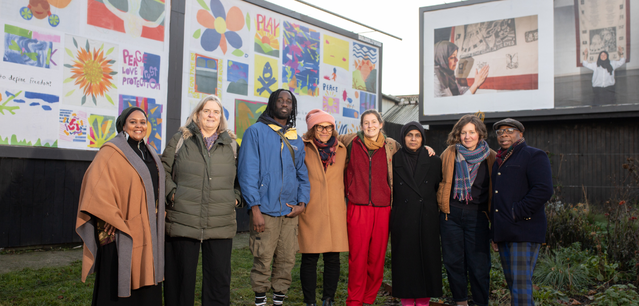
Back in 2020, we made a shift in our arts funding and moved towards a more community-led, place-based approach. We knew that meant stepping away from some areas we’d supported for a long time. But we also felt strongly that backing community-led art and creativity was an important part of our wider Creative, Confident Communities strategy. Six years on, that feels truer than ever. This work brings people together, helps them tackle tough issues, builds understanding, and creates space for joy and celebration too.
This report shows where our funding is making a real difference — and where we still need to do more. One thing comes through really clearly: core, unrestricted funding makes the biggest difference. When organisations and people who know their communities best are trusted to lead, they can do more. It also helps build capacity in both the sector and communities, which the report highlights as a major challenge.
Something we hadn’t quite realised was just how much our grantees and stakeholders want Esmée to use its profile and convening power to champion community-led creativity. It’s encouraging to hear that our funding is seen as a real vote of confidence – helping to back this work and build a clearer picture of what good practice looks like. That’s exciting, but it also comes with responsibility, and we take that seriously.
So, alongside continuing to offer core and unrestricted grants to our organisations and practitioners working in community-led arts, we plan to play a more active role in connecting people, bringing them together and sharing what we’re learning.
We’ll keep funding through our three long-term outcomes, while building in some clear recommendations from the report. We share more about what this means below.
1. Local people and local artists lead creative and cultural activities in their communities.
A lot of the brilliant work we fund under this outcome is led by place-based and grassroots organisations – often without the time, resources or networks to share ideas and learn from others. We want to focus more of our convening and shared learning here. We’ll use all of Esmée’s funding tools, including Funding Plus and our funder partnerships, to help spread the impact of this way of working.
2. A collaborative approach to creativity and culture enables people to work together to strengthen their community
The report has pushed us to think more carefully about how we fund networks – whether they’re open membership networks or smaller ones focused on a particular practice or place. We also need to get better at sharing what comes out of those networks, so that good practice doesn’t stay with just a small group of organisations, but reaches more widely, including into other sectors.
3. Local and regional cultural strategies are shaped by citizens and impact wider decision-making and agendas for change.
This is the area where we fund a lot of developing work and a range of different models of practice and governance. It also has the strongest overlap with our other Creative, Confident Communities priorities. It’s likely to be shaped heavily by devolution and changes in local government. So, we need to make sure our response supports the kinds of work that benefit local communities most, while linking with wider participatory democracy work.
Cross-sector place-based funding
Although this report focuses on creativity and culture, it reflects funding practice across all our Creative, Confident Communities outcomes, which connect as part of a broader place-first approach. It’s part of a wider set of work commissioned by Esmée looking at how this funding helps communities to build vibrant, confident places where they can fulfil their creative, human, and economic potential. We will share more about the future of our place-based funding when these commissions are complete.
Place-based approaches to funding are growing, the story of its impact needs to be told, and we hear the message that the need is urgent!
Thanks
The report was created by DHA Communications working with regular associates (the highly skilled team of Dr Tamsin Cox, Kate Rodenhurst and Dr Susanne Burns). It was supported by colleagues in Esmée and conversations with funded organisations and sector representatives. Our thanks to everyone who gave their time and contributed their skills and insights to the creation of the report.
If you have any thoughts or feedback about the report which you would like to share, please send an email to alison.holdom@esmeefairbairn.org.uk.