Insights and learning
Little Ouse Headwaters Project (LOHP)
We learn so that we, and the organisations we work with, can make intelligent and evidence-based decisions about how to be effective in a complex environment.
Our approach to learning is guided by two questions:
- What does the world look like for the issues, organisations and people we support?
- Where are we making most and least progress and why?
Below you'll find our insights reports - sharing what we've learned from our funding - along with research or evaluation reports we've commissioned, and key publications from work we fund.
Do also take a look in Latest for news and blogs about our work.


-

Diversity, Equity and Inclusion
Our commitments on Diversity, Equity and Inclusion as an organisation and through our work.
Find out more -

Climate Change
Read about our commitment to addressing the causes and impacts of climate change.
Find out more -

Open and trusting grant-making
Learn about our commitments to open and trusting grant-making, which is part of a campaign launched by the Institute for Voluntary Action Research (IVAR).
Find out more
You might be interested in
-
 11 March 2026
Supporting place-based and community-led racial justice
In this blog, Gillian Goode, a Funding Manager in Esmée’s Creative, Confident Communities team, reflects on ‘place’ within racial justice.
Read more -

Funding Plus: Capacity building support needs of organisations we fund
Our latest Funding Plus report shares findings about the capacity building support needs and experiences of organisations we fund.
Read more -
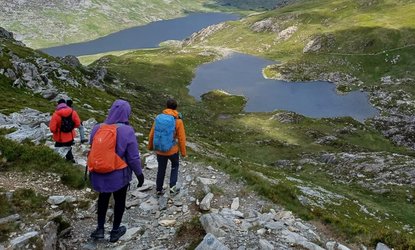
Funder Commitment on Climate Change: 2025 update
Read our 2025 update on our work towards the six goals of the Funder Commitment on Climate Change.
Read more -
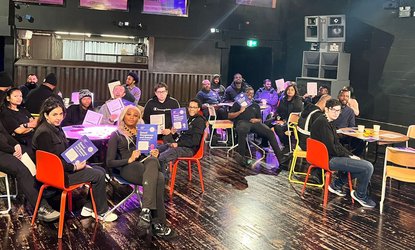
Who our funding is reaching 2025
Our 2025 report looking at who our funding is reaching based on diversity data gathered from applicants based on the DEI Data Standard.
Read more