Esmée links each grant’s intended outcomes to its long-term strategic goals and tracks progress throughout the funding period to understand what is working, what challenges arise, and what can be learned across its wider strategy.
In Esmée’s strategy, we describe the change we want to help bring about as “long-term outcomes”, for example: “gender-based violence is reduced through the delivery of preventative work”.
We also ask organisations that are applying for grant funding to tell us the outcomes they hope to achieve with our support, for example: “Increased public accountability from corporations when gendered harm has occurred”.
When we make a grant, we link applicants’ outcomes to the long-term outcome(s) in Esmée’s strategy. During the grant, after progress reports and learning conversations, we rate progress towards each grant or investment outcome as ‘on track’ / ‘mostly on track’/ ‘somewhat off track’/ ‘off track’, and record the reasons why.
We expect some work to be off track. Finding out why things are going well or facing challenges is vital in helping us make sense of the wider context across our whole strategy.
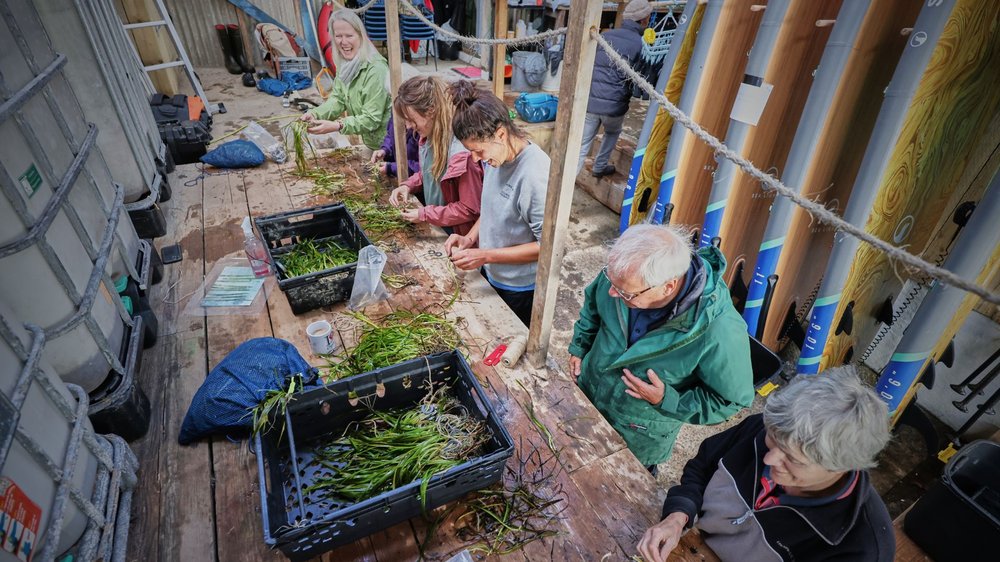
Seawilding
Outcomes and indicators
We use outcomes and indicators to understand how grants, investments and our own actions are contributing to our strategy.
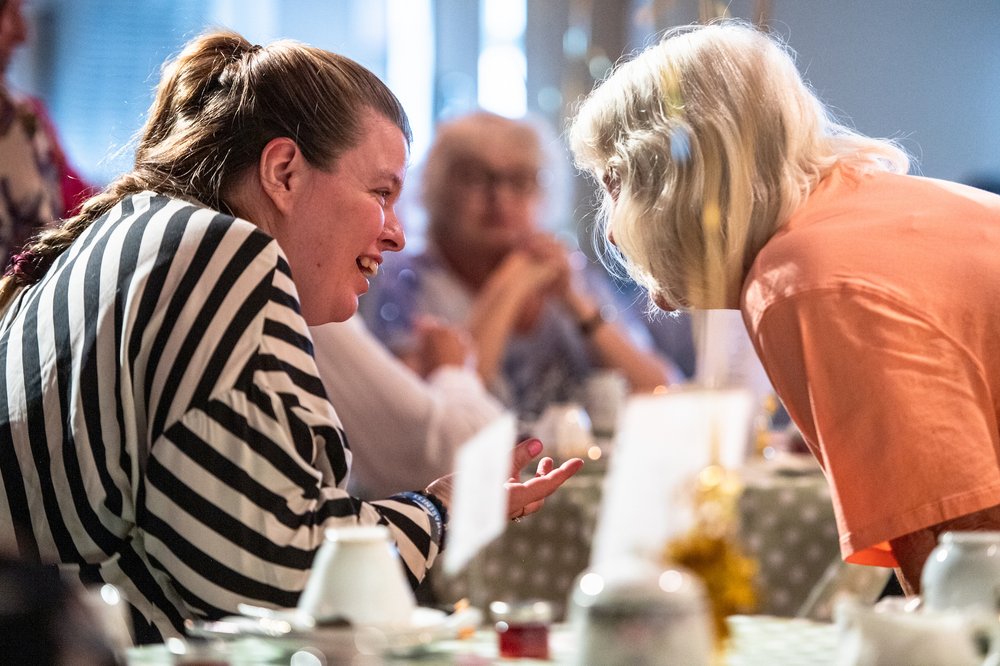
Burnside Centre
Next: Reporting and learning conversations
Esmée keeps reporting proportionate by accepting existing reports where possible and complements them with learning conversations that help both the organisation and funder reflect on progress, challenges, impact, and lessons learned.