We have three big aims for our strategy: improving Our Natural World, securing A Fairer Future and nurturing Creative, Confident Communities. Within these, we have 13 funding priorities, and 37 long-term outcomes we are focusing our support on.
Our strategy articulates clear priorities and changes – outcomes – we want to make progress towards. It would not be practical or useful to layer an impact measurement framework onto each of our 37 outcomes. So instead, our approach to strategic learning covers:
- Relationship learning: We learn from each individual grant, project, or social investment on its own terms; we track progress, and record our reflections.
- Peer comparison: We collect and act on feedback; we use external data to compare our approach with our peers.
- Long-term learning: We analyse learning from individual relationships and progress ratings, and commission additional research to put that learning in a wider context.
What this means for Trustees
Trustees are advocates for Esmée’s open and trusting approach. From our beginnings in 1961, Trustees have had an investment mindset – they have always given unrestricted grants, and accepted the risk that some work would fail.
However, it is their role to ensure that the foundation is delivering its strategy – making good decisions, offering appropriate support, and ultimately making a positive impact.
Relationship learning
-

-
Meeting six times a year, Trustees can’t learn from each relationship, so we share:
- Learning updates twice a year: summarising themes and patterns from individual grants, projects and investments are helpful in understanding what’s making progress and why in our strategy.
- Example: repeated mentions of burnout in board updates led Trustees to recommend wellbeing awards for organisations we fund.
- Outcomes dashboards: a quantitative overview of what we are funding in different priorities and whether it is on or off track, is helpful for allocating resources.
- Learning updates twice a year: summarising themes and patterns from individual grants, projects and investments are helpful in understanding what’s making progress and why in our strategy.
Peer comparison
-

-
- Feedback survey results and funder comparison data: regular and biannual feedback surveys help Trustees ensure that Esmee is living its values. Funder comparison data from 360Giving is helpful for strategy review.
Long-term learning
-

-
- Mid-strategy reviews and research (spanning 3 years +): Internal learning feeds into wider reviews and research. To keep our eyes on the bigger picture, our mid-strategy reviews put the progress of the work we fund in a wider context.
- The context for our goals – in what ways it is better or worse?
- The need for our support – what’s changed in the funding situation?
- The opportunities for progress.
- The blockers for progress.
- What difference has our work and funding made so far, and where is it struggling?
- Feedback there on the way Esmée is working in this space.
- Mid-strategy reviews and research (spanning 3 years +): Internal learning feeds into wider reviews and research. To keep our eyes on the bigger picture, our mid-strategy reviews put the progress of the work we fund in a wider context.
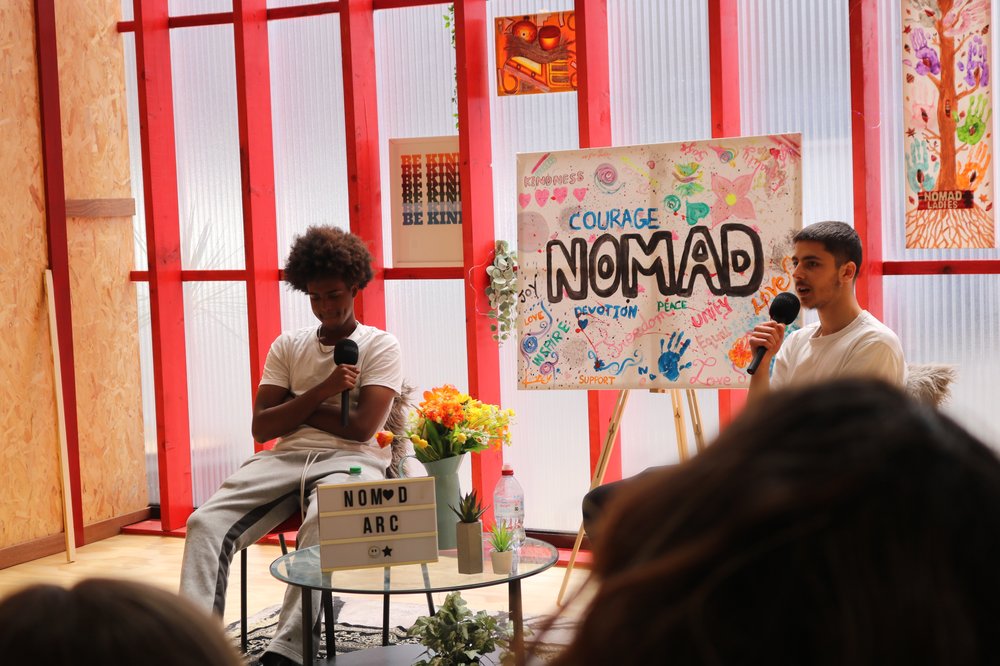
Nomad
Next: Outcomes as a tool for learning
Esmée links each grant’s intended outcomes to its long-term strategic goals and tracks progress throughout the funding period to understand what is working, what challenges arise, and what can be learned across its wider strategy.