In Gina Crane’s final project for Esmée, she has been working with Oliver French to pull together six years of learning about Esmée’s strategy for Trustees. In this blog, Gina shares the challenges organisations we fund are facing and shares three things she'd like funders to do.
Through this project, we found many achievements, innovations and examples of impact. But the overwhelming evidence from the organisations Esmée funds shows that deep and unrelenting challenges are now getting in the way of progress.
The big picture and what funders can do
Many of the challenges raised relate to the broader economic, political and social context of the UK. The impact of the pandemic on organisations’ operations has waned, but related concerns about inequality remain. There has been a rise, and then retreat, in interest in diversity, equity, and inclusion and racial justice work; and concerns about polarisation have emerged and are rising.
Before sharing more about the different challenges, I want to use this piece to ask funders to do three things:
- Give money in a way that truly enables organisations to stop dealing with crises, and means they can actually take on the more expansive, ambitious work funders think they are funding.
- Give more long-term, unrestricted, flexible, trusting funding. Patient and flexible capital is just as valued in social investment, as it is in grants.
- Take the time to face up to how hard it has been – and will continue to be – for the people and organisations doing the work on the ground. Many funders have well paid, secure jobs; they do not.
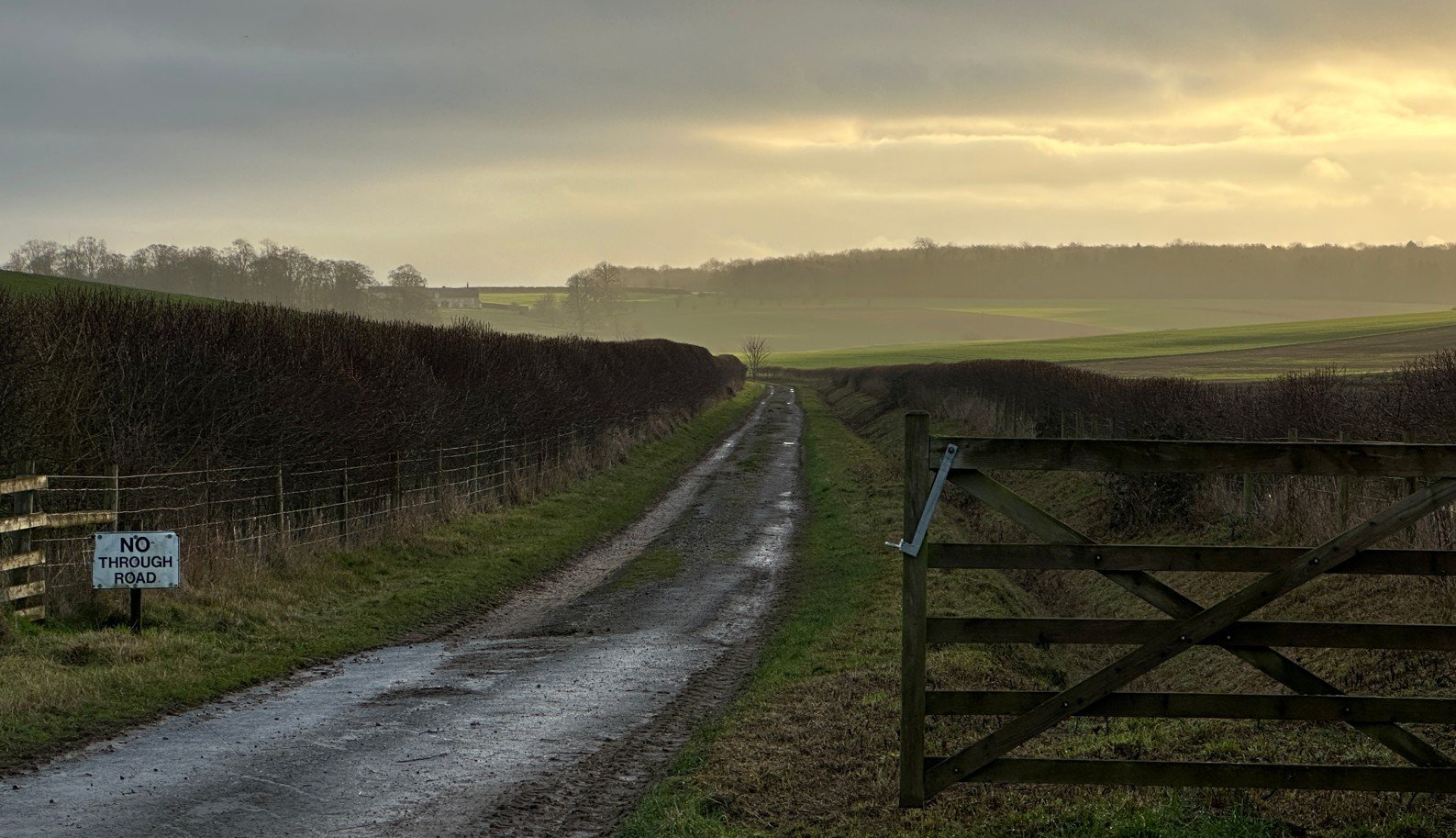
Image: Countryside road with a sign by a fence that says 'No through road'
The challenges
Political upheaval and instability have been major obstacles to progress
From ministerial reshuffles (England) to governmental shutdowns (Northern Ireland) and breakdowns in party-political agreements (Scotland), Esmée’s policy and influencing partners have been operating on shifting sands. Organisations have responded in different ways: some have pivoted to local influencing to get around the chaos in the centre; others have homed in on legal redress as the only method with real teeth in protecting existing rights; some are sceptical of ‘inside the tent’ influencing as a pathway to change.
Local Authorities have been important but unreliable partners
Public sector finances are strained and local funding for charitable infrastructure has largely disappeared. Despite councils looming large in local efforts and being seen to hold many of the levers needed for sustainable community change, there are low levels of trust in statutory partnerships, and organisations often experience alliances as fragile.
There is clear pushback against ‘progressive’ causes
There’s a growing sense that the political and social landscape for climate, racial and gender justice work is shifting for the worse. As well as the ‘macro’ level of an emboldened far right, grantees are experiencing this on a ‘micro’ level, e.g. businesses deprioritising charity partnerships, and large arts organisations saying they’ve ‘got diversity covered’ without the input and accountability that expert “led-by” organisations could provide.
Organisations have found it hard to recruit and retain important staff
People without independent wealth can’t afford to pursue careers in the arts; charity wages can’t keep up with the private sector; and community-based movement leaders are burning out. Job and income security in the sector are poor, and staff and volunteers’ wellbeing is suffering due to stress and burnout.
Organisations are doing difficult work in a difficult economy
Covid and the cost-of-living crisis revealed and exacerbated existing inequalities, grant values have been eroded across the board by inflation - especially for organisations with capital projects exposed to high-cost volatility - and charities are now paying higher energy bills and National Insurance contributions. This has had a variety of negative practical and emotional effects on organisations and on the communities they’re supporting.
Organisations have also faced difficulties in partnership - and coalition-building more generally
Although working with others is a big prize and a key ingredient of success, it’s also a source of many reported challenges.
The grant seeking environment is becoming increasingly challenging
Closures in organisations Esmée funds increased from two or three a year from 2018 to 2022, to seven or eight a year in 2023 to 2025. Pauses, closures and restructures amongst other funders have increased demand, and arts organisations are facing a perfect storm of challenges.

Image: Steps, covered in ivy, leading into a woodland
Back to basics - in a bad way
All of this means that many organisations and networks are retreating to the basics rather than taking on more expansive, ambitious work – reacting to events and needs rather than trying to shape systems. There is a palpable sense of hardship for organisations, employees, service users, marginalised communities, and the increasingly harsh environment they’re trying to operate in. This mixture is forcing many organisations Esmee funds into mindsets and practices of retrenchment and firefighting - whether that means stepping away from partnership initiatives due to capacity pressures, managing rising support needs in communities, focusing defensively on protecting existing rights and progress rather than aiming for genuine transformation and recovery, or pulling back from plans to work on their internal governance.
The medicine: long-term, unrestricted funding
For funders like Esmée, the medicine for all of the challenges identified above is the same across the portfolio: long-term, unrestricted, flexible, trusting funding. Patient and flexible capital is also valued in social investment, as it is in grants.
This is the key across the whole strategy and a core enabler of impact, whether it’s applied to organisations responding to racist riots; partnership building in the environmental sector; embedding lived experience voice and community leadership in place work; consolidating burgeoning movements and supporting their leaders; preparing solid foundations for ongoing policy influence; or simply providing the headspace for organisations to do their best work without worrying about the hamster-wheel of constant fundraising.
About this piece
This piece has been put together by Oliver French, an independent consultant, and Gina Crane, Director of Communications and Learning at Esmée Fairbairn Foundation. It covers grants and social investments, across Esmée's three strategic aims: Our Natural World; Creative, Confident Communities; and A Fairer Future.
The source material comprised: commissioned external research including mid-strategy reviews; internal quarterly learning reviews; strategy documents; team presentations and Board updates; grants data and outcomes dashboards; and team conversations.