In a guest blog, Azzam Al Kassir from Makani Cambridge shares reflections on the work they’ve been leading on with Common Purpose to co-design a leadership programme to support a more equitable and diverse environment sector, and why an ecosystem approach is needed. More information about the programme is here.
This article uses the term 'Global Majority' to refer to people who are racialised as Black, Asian, Brown, Arab, Indigenous, or otherwise non-white, recognising that together they make up the majority of the world’s population. The BBC has an article about the term and debates around its use here.
The UK environment sector is driven by a deep commitment to justice, care for the planet, and collective responsibility. Yet when it comes to who holds power, makes decisions, and shapes the future of the sector, a stark imbalance remains. People from the Global Majority continue to be significantly under-represented in senior leadership, boards, and executive roles. This is not because talent is missing, but because the enabling systems, supportive mechanisms, and pathways to leadership are.
Research and lived experience tell the same story: progression pathways are unclear, informal networks remain closed, leadership norms privilege familiarity over difference, and many Global Majority professionals are expected to carry the burden of inclusion work without access to real power. Understandably, this often leads to exhaustion, isolation, and talented people leaving the sector altogether.
For too long, the dominant response has relied on short-term, individual-focused interventions, typically targeted at entry-level roles while leaving senior leadership structures largely untouched. Leadership courses, mentoring schemes, and confidence-building programmes have their place, but on their own they ask people to adapt to systems that were not designed with them in mind. They rarely address the cultures, incentives, and power structures that determine who is seen as “leadership material” and who is not. Without senior accountability and organisational change, these interventions risk becoming tokenistic temporary fixes rather than genuine pathways to equity.
Re-imagining leadership in the environment sector
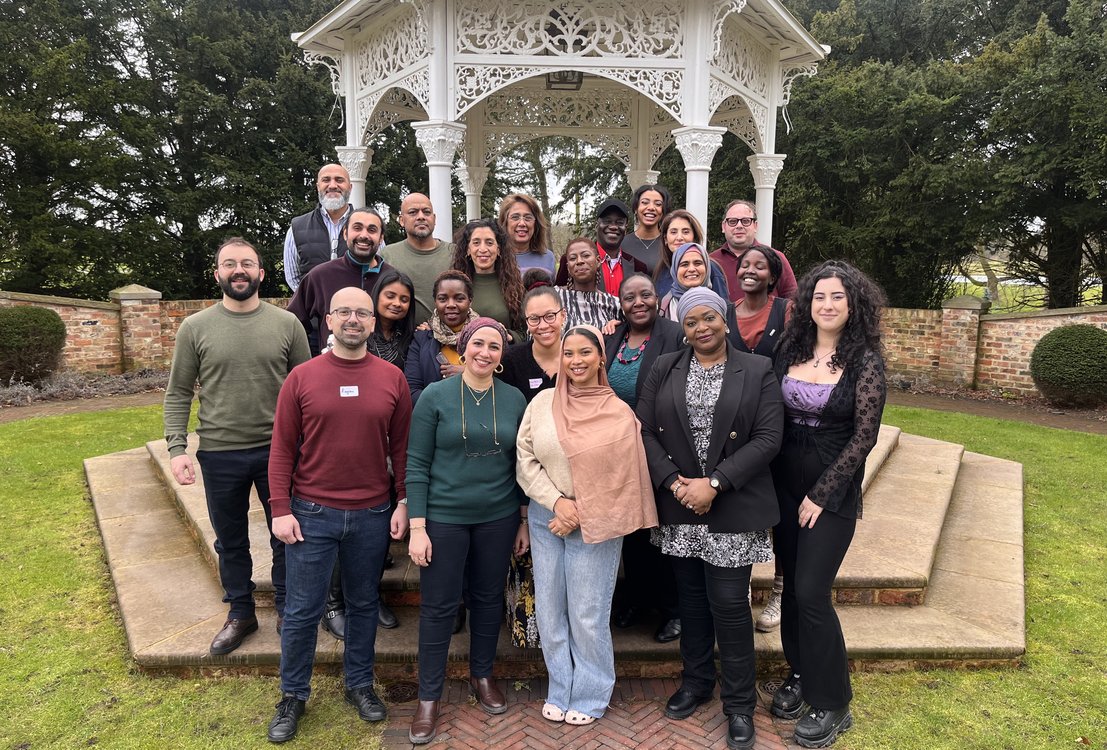
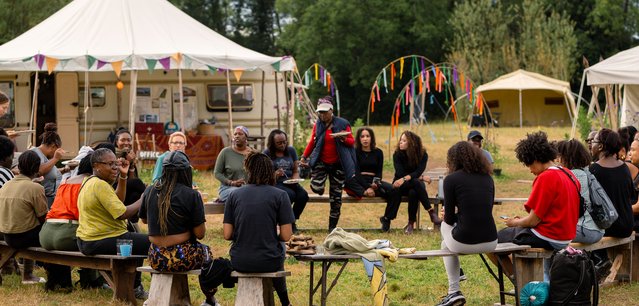
Re-imagining leadership in the environmental sector: co-designing pathways to diversity, led by Makani Cambridge in partnership with Common Purpose and funded by Esmée Fairbairn Foundation, set out to do something different. Over a period of nearly twelve months, and across four interconnected phases, the project has moved from understanding the problem to designing and testing a systemic response. We began with research: a literature review, practitioner focus groups, and in-depth interviews that highlighted both structural barriers, such as biased HR processes and limited progression, and cultural ones, including micro-aggressions, exclusion from influential networks, and a lack of visible role models. We then invited twenty Global Majority emerging, aspiring and senior leaders into a co-design process rooted in collective care, agency, and justice. Rather than asking participants to fit in, we asked what equitable leadership could look like, and what action it would require, if the system itself were reimagined.
The result was an ecosystem-based leadership development model that recognises leadership as a collective endeavour. It supports aspiring leaders through sponsorship, peer learning, and systemic and structural literacy, while simultaneously engaging HR professionals, senior leaders, boards, and funders in shared responsibility. Phase four tested this model by inviting those who hold institutional power, including chief executives, funders, and senior decision-makers, into a co-design workshop to jointly refine the final leadership programme. The process also focused on building a cross-sector community committed to co-creating ecosystems of equity and care, where senior leadership in the environment sector becomes genuinely reflective of the racial and cultural diversity of both the workforce and wider UK society.
Our central recommendation is clear: sustainable change will not come from isolated programmes or short-term training for Global Majority leaders alone. It requires an enabling ecosystem where organisations commit to changing how leadership is identified and supported, and how power is shared, while funders invest in long-term transformation, and accountability is therefore shared across the sector.